
The Perpetual Problem With "Eat Less"
America's weight problem is often framed as a willpower story. Look closer and you see a system problem: oversized plates, constant snacking, and food environments that make overeating the default. Portion control is part of the answer—but not the whole answer.
Dinnerware has grown dramatically over decades, and visual cues heavily influence how much we serve ourselves. Right-sizing portions can reduce intake without feeling like a crash diet. That alone helps many people.
But if your plate is smaller while your macronutrient mix still leaves you hungry, wired, or low-energy, adherence collapses. What you put on the plate matters as much as how much is on it.
Portion Control Is Necessary—Not Sufficient
Snacks now account for a large share of daily calories. Ultra-processed options make it easy to overshoot without noticing. Sourcing matters too: protein quality, fiber, and whole foods change satiety and recovery far more than "low calorie" marketing claims.
Tracking apps and fitness wearables can illuminate the gap between intention and intake. Useful tools still need good defaults. Without a target that fits your body, more data just creates more noise.
Macronutrient balance changes how a deficit feels. Adequate protein protects lean mass and appetite control. Carbohydrate and fat distribution can be adjusted to your preferences and response—so the plan is sustainable instead of brittle.
Snacking, Sourcing, and Hidden Calories
At Genovive, personalization includes determining a macronutrient balance and calorie level informed by your profile—including DNA insights plus factors like age, sex, height, and weight. The point is not perfection. It is a clearer starting blueprint.
That blueprint turns vague advice like "eat better" into concrete targets you can build meals around. Breakfast, lunch, dinner, and snacks stop being improvisation and start becoming a repeatable system.
Why Macronutrient Balance Changes the Experience
Tools help you stay honest. Defaults help you stay consistent. When both are aligned—personalized macros plus practical portion awareness—you reduce decision fatigue and improve follow-through.
Personalizing Macros to Your Profile
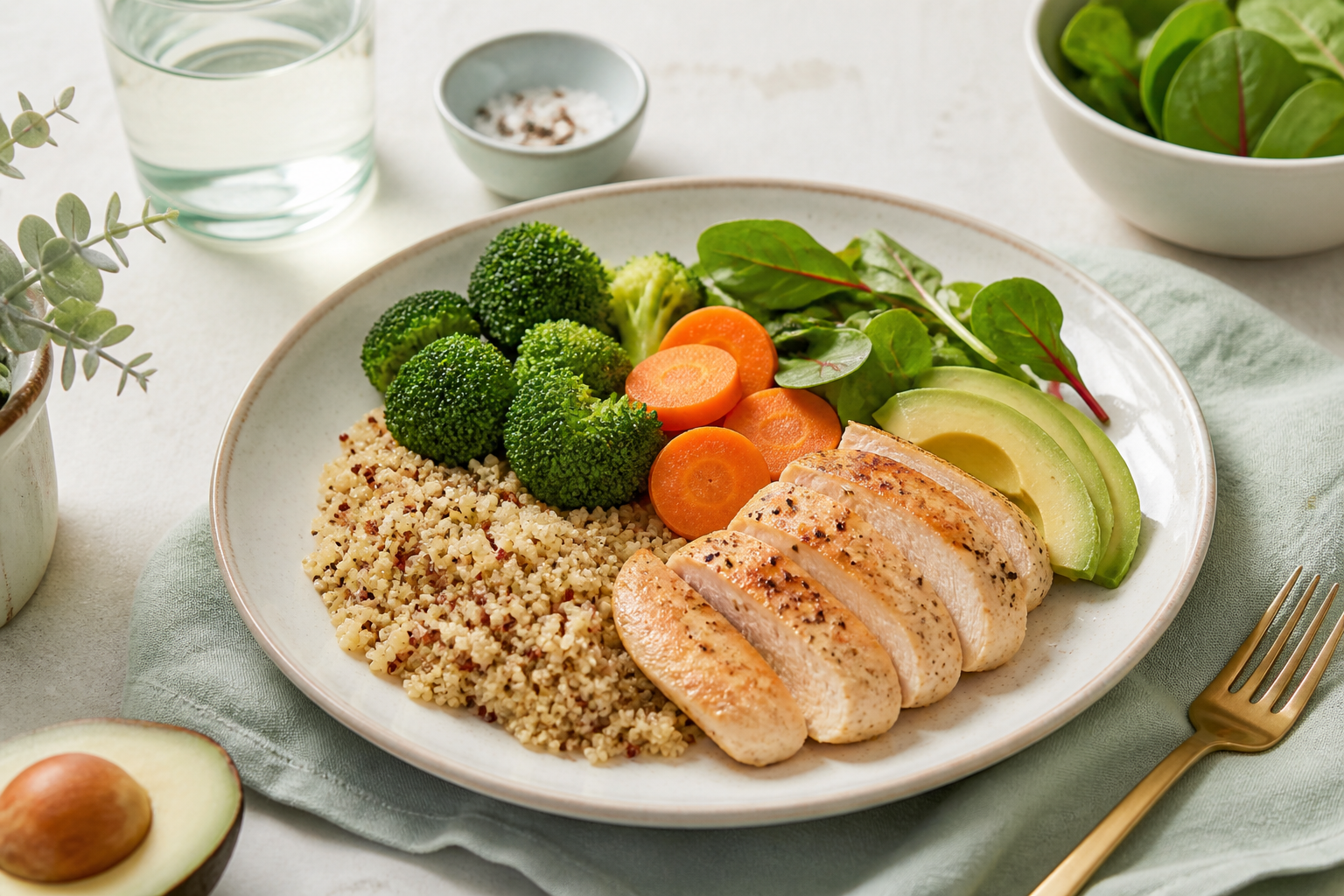
Build plates you can repeat on busy days: protein first, produce for volume and fiber, then carbohydrates and fats matched to your targets. Keep a short list of go-to meals so hunger never sends you back to guesswork.
Tools Help—Defaults Matter More
Building a Plate You Can Repeat
Expect to adjust. Travel, stress, and training changes shift needs. Personalization is a living process: start with a smart baseline, then refine based on hunger, energy, and progress.
The Bottom Line
The bottom line: portion control fights a supersized culture. Personalized macros make that fight winnable for your body. Together, they turn weight loss from a temporary diet into a system you can keep.

