The Myth of the Perfect Diet
There's no perfect diet. There's no single way of eating that works for everyone. What works for your friend might not work for you. What works in January might need adjustment in June.
What does exist? A nutrition approach that fits your lifestyle, includes foods you enjoy, supports your energy, aligns with your goals, and you can sustain indefinitely. Not a diet. A framework.
Foundation: Whole Foods and Real Nutrition
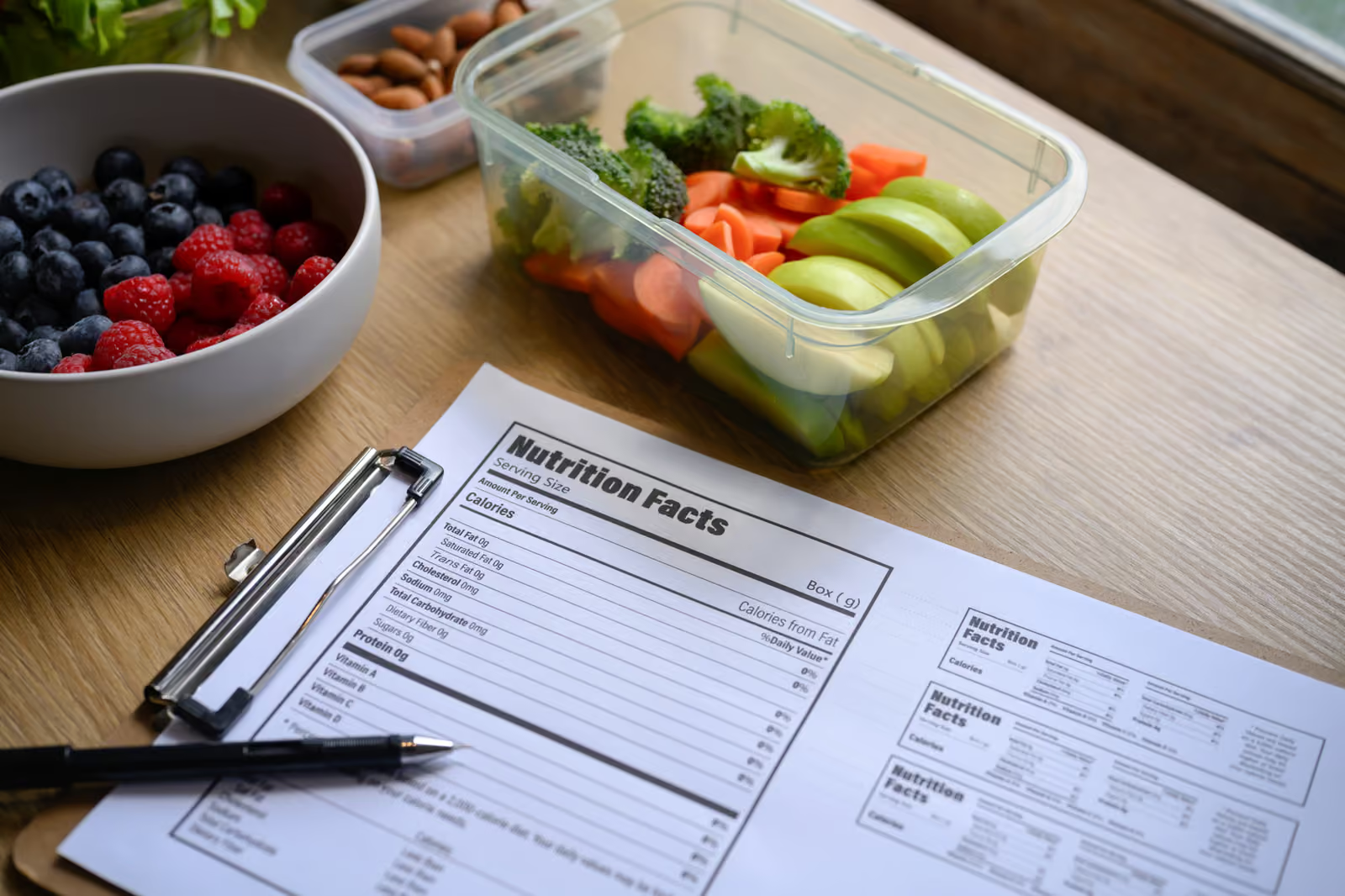
Most of your food should be real: food that spoils, has one ingredient, and is recognizable as the plant or animal it came from. Real foods are nutrient-dense, more satiating, and digested more slowly.
Protein: The Cornerstone of Sustainable Weight Loss
Protein preserves muscle, increases satiety, supports metabolism, and improves performance. For weight loss, aim for 0.8-1.0g per pound of goal body weight. Easy targets: 25-30g at breakfast, 30-35g at lunch and dinner.
Carbs, Fats, and Fiber
Carbs don't make you fat. Fat doesn't make you fat. The calories matter. Prioritize whole carbs over refined ones, healthy fats from olive oil, nuts, and fatty fish, and 25-35g of fiber daily from vegetables, whole grains, and legumes.
Practical Strategies for Real Life
The Bottom Line
Start with whole foods, prioritize protein, include carbs and fats based on preference, eat plenty of fiber, choose a meal pattern that fits your life, build sustainable habits not restrictive rules, and adjust as needed.
Meal Timing: More Flexible Than You Think
Breakfast is not mandatory. Meal frequency does not change fat loss when calories are equal. The best pattern is the one that helps you maintain your deficit and fits your schedule.

